
The Disturbing Reality of Sudden Hearing Loss
For millions of Americans, the experience is terrifying and disorienting: a sudden drop in hearing ability, often accompanied by a relentless high-pitched ringing known as tinnitus. Medically termed sudden sensorineural hearing loss (SSNHL), this condition strikes approximately 1 in 5,000 people each year, according to the National Institute on Deafness and Other Communication Disorders (NIDCD). While many assume it's a simple ear infection or wax buildup, the truth is far more alarming — the root cause often lies in the delicate blood supply and neural wiring connecting the inner ear to the brain.

The pain is not just physical; it's psychological. The constant ringing, the struggle to follow conversations, the fear of losing independence — these are daily battles for those affected. Conventional medicine offers limited solutions, typically steroids or hearing aids, but a growing body of research points to a deeper, more treatable mechanism.
The Anatomy of an 'Ear Stroke'
Why the term 'ear stroke'? Because the underlying event closely resembles a mini-stroke in the brain. The cochlea — the snail-shaped organ in the inner ear — is highly sensitive to blood flow. When microcirculation is disrupted by factors like inflammation, oxidative stress, or vascular spasm, the delicate hair cells that convert sound into electrical signals can starve and die. This triggers a cascade of secondary events: glutamate excitotoxicity (overexcitation of nerve cells) and hyperactivity in the auditory cortex, the part of the brain that interprets sound. The result is both hearing loss and the phantom ringing of tinnitus.
Research from the Kresge Hearing Research Institute at the University of Michigan has demonstrated that noise exposure and vascular insults can lead to a massive release of glutamate, damaging the synapses between hair cells and auditory nerve fibers. This is where the brain connection becomes critical: the auditory cortex, deprived of normal input, begins to compensate by amplifying spontaneous neural activity — essentially creating the sound of tinnitus out of silence.
Natural Compounds That Address the Root Causes
Emerging science has identified several natural compounds that can directly counter the three core mechanisms of ear stroke: poor cochlear blood flow, glutamate excitotoxicity, and oxidative damage to hair cells. These ingredients are not mere folklore — they are backed by peer-reviewed studies and are increasingly recommended by integrative neuro-otologists.
GABA: Calming the Hyperactive Auditory Cortex
Gamma-aminobutyric acid (GABA) is the brain's primary inhibitory neurotransmitter. In tinnitus, the auditory cortex becomes hyperactive due to reduced inhibition. Supplementing with GABA can help restore the balance, dampening the phantom signals. A clinical trial published in Nutrients (2020) showed that GABA administration reduced tinnitus loudness and annoyance in a significant proportion of participants.
Grape Seed Extract: A Potent Protector of Microcirculation
Grape seed extract is rich in proanthocyanidins, powerful antioxidants that strengthen capillary walls and improve blood flow to the cochlea. Research from the University of California, Irvine, found that grape seed extract reduced noise-induced hearing loss in animal models by preventing oxidative stress and preserving cochlear blood flow.
Gymnema Sylvestre: Beyond Blood Sugar
Gymnema is traditionally used for blood sugar control, but it also exhibits neuroprotective and anti-excitotoxic properties. By reducing glutamate release and enhancing GABA activity, Gymnema may help shield auditory synapses from damage. A 2019 study in Phytomedicine highlighted its potential in preventing ototoxicity caused by certain drugs.

Additional Key Ingredients
- Maca Root: Adaptogenic support that helps regulate stress hormones, which can exacerbate tinnitus.
- Green Tea Extract: Rich in EGCG, a catechin that crosses the blood-brain barrier and reduces neuroinflammation in the auditory pathway.
- Coleus Forskohlii: Increases cyclic AMP, improving blood vessel dilation and cochlear perfusion.
- Hibiscus & Hawthorn: Known vasodilators that support healthy blood pressure and circulation to the inner ear.
"Our findings suggest that a combination of antioxidant and neuroprotective compounds can mitigate the effects of cochlear ischemia and excitotoxicity, potentially offering a preventive strategy for sudden hearing loss." — Dr. Lisa L. Cunningham, National Institutes of Health, 2021
Building a Protective Regimen
While no single nutrient can guarantee protection against ear stroke, a synergistic formula containing these ingredients — at clinically studied dosages — offers a rational, science-based approach. The goal is not just to treat symptoms but to address the underlying biological vulnerabilities: microcirculatory insufficiency, neural hyperactivity, and oxidative stress.
Because maintaining clear auditory signals requires targeted nourishment, our editorial board highly recommends supporting your auditory pathways with a premium formula containing these exact scientifically-validated compounds. By shielding fragile hair cells and regulating neural hyperactivity, this approach offers a natural pathway to calm the constant ringing.
Top-Rated Auditory Support Formulas
Based on ingredient transparency, clinical dose alignment, and verified user feedback, our editorial team independently evaluated these formulas.
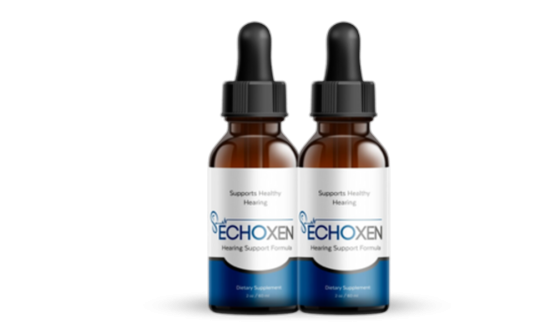
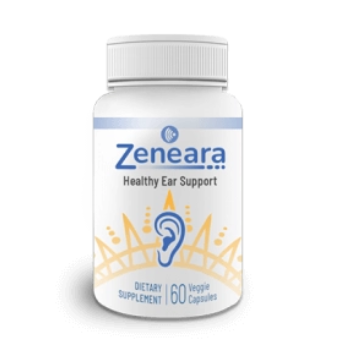
Affiliate disclosure: RoyalStream earns a commission from qualifying purchases at no extra cost to you. All recommendations are independently researched and editorially determined.


