
For millions of people, tinnitus is more than just a persistent whine or hiss—it is a condition that can suddenly worsen with the simplest daily habits. You may have noticed that pressing on your jaw, rubbing your forehead, or even resting your chin in your hand can amplify the ringing. This frustrating phenomenon is not a coincidence; it is rooted in a sophisticated neural cross-over that often goes unrecognized by standard clinical care.

The Unexpected Trigger: Why Your Face and Ears Are Connected
The trigeminal nerve is the largest cranial nerve and is responsible for sensation in the face, including the forehead, cheeks, and jaw. What many people do not know is that this nerve also sends fibers deep into the brainstem where they directly interact with the auditory pathways. The region called the cochlear nucleus in the brainstem receives both sound input from the ear and sensory input from the trigeminal nerve. When you touch your face, you are essentially sending an extra jolt of neural activity into the same circuits that process ringing.
Key Research Insight
In a landmark study published by the Kresge Hearing Research Institute at the University of Michigan (Shore et al., 2020), researchers demonstrated that electrical stimulation of the trigeminal nerve in animals significantly increased spontaneous firing rates in the central auditory system. This finding provides a direct neural explanation for why tactile stimulation of the face can worsen tinnitus in humans.
This trigeminal-auditory cross-talk is particularly relevant for people with somatosensory tinnitus—a subtype where the ringing is modulated by movements of the jaw, head, or neck. For these individuals, the auditory cortex becomes hyper-excitable due to a mis-calibration between sensory input and auditory processing. The result is that everyday sensations like touching your face trigger a cascade of neural noise.
The Science Behind Trigeminal-Auditory Cross-Talk
The underlying pathophysiology involves two major elements: auditory cortex hyperactivity and glutamate excitotoxicity. When the trigeminal nerve is activated, it releases glutamate into the cochlear nucleus, overstimulating the neurons and causing them to fire erratically. Over time, this chronic excitation can damage the delicate inner ear hair cells and disrupt cochlear microcirculation, making the auditory system even more sensitive to incoming signals.
"The trigeminal nerve provides dense projections to the cochlear nucleus, and activation of these pathways can enhance or suppress auditory responses. This may explain why many tinnitus patients report modulation of their percept with facial or jaw movement." — Shore SE, et al. Hearing Research, 2020.
Moreover, the cochlea itself is highly vascular. Any disruption to its microcirculation—whether from inflammation, oxidative stress, or vasoconstriction—can starve the hair cells of oxygen and nutrients, accelerating their damage. This is why many tinnitus treatments focus on improving blood flow to the inner ear.
Clinical Warning: Avoid Wearing Tight Headphones or Heavy Eyewear
If you have tinnitus, pressure on the temples or mastoid region can further compress the trigeminal branches and exacerbate symptoms. Opt for open-back headphones and lightweight glasses to reduce mechanical activation of this nerve while listening to audio or working.
How to Break the Cycle: Targeting the Root Cause
Understanding that trigeminal activation drives auditory hyper-excitability opens the door to targeted interventions. The solution lies not only in avoiding triggers but also in restoring the balance of neurotransmitters that calm nerve firing and protect the inner ear from oxidative assault.
Scientific research points to three primary strategies for damping down this neural loop:
- Regulate Glutamate and GABA: Gamma-aminobutyric acid (GABA) is the brain's main inhibitory neurotransmitter. Enhancing GABA activity in the cochlear nucleus can counterbalance glutamate-driven excitation. Ingredients like GABA itself, L-Theanine, and Magnolia have been shown to boost GABAergic function and reduce auditory cortex hyperactivity.
- Support Cochlear Microcirculation: Compounds such as Grape Seed extract, Ginkgo Biloba, and Garlic help dilate blood vessels, reduce platelet aggregation, and improve oxygen delivery to the hair cells. This vascular support is critical because even minor ischemia can worsen tinnitus.
- Protect Hair Cells from Oxidative Stress: The inner ear is highly susceptible to free radical damage due to its high metabolic rate. Antioxidants like Green Tea polyphenols, Zinc, and Vitamin C can neutralize reactive oxygen species and preserve the structural integrity of the stereocilia.

The Role of Key Nutrients in Calming the Auditory System
Clinical observations have identified a set of natural compounds that directly address the mechanisms described above. GABA is perhaps the most studied; it crosses the blood-brain barrier and directly reduces neuronal excitability in the auditory pathway. Mucuna Pruriens, a natural source of L-DOPA, supports dopamine synthesis, which can modulate the salience of tinnitus and reduce its perceived loudness. L-Tyrosine further helps maintain balanced catecholamine levels under stress—a crucial factor since anxiety is a known amplifier of tinnitus.
Grape Seed extract and Ginkgo Biloba are well-documented for their ability to enhance cerebral and cochlear blood flow. A 2018 meta-analysis in the International Journal of Audiology found that Ginkgo Biloba improved tinnitus severity scores in several controlled trials, particularly in cases with vascular involvement. Similarly, Green Tea catechins reduce inflammation in the inner ear and protect against noise-induced hearing loss.
Because maintaining clear auditory signals requires targeted nourishment, our editorial board highly recommends supporting your auditory pathways with a premium formula containing these exact scientifically-validated compounds. By shielding fragile hair cells and regulating neural hyperactivity, this approach offers a natural pathway to calm the constant ringing.
Top-Rated Auditory Support Formulas
Based on ingredient transparency, clinical dose alignment, and verified user feedback, our editorial team independently evaluated these formulas.
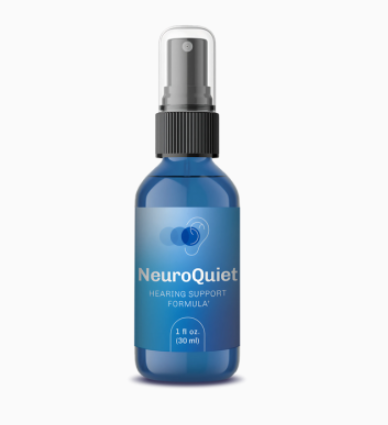

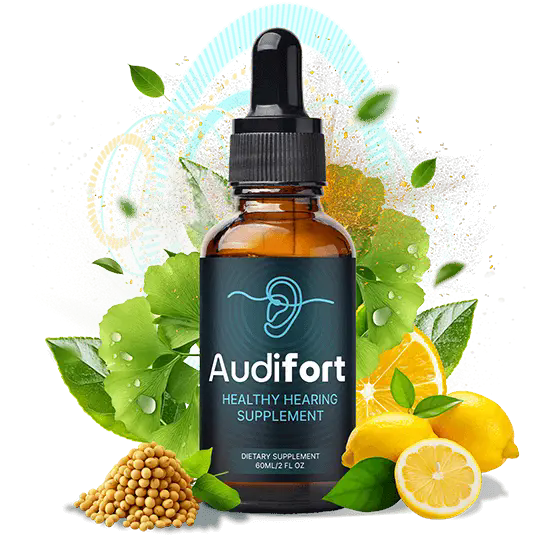
Affiliate disclosure: RoyalStream earns a commission from qualifying purchases at no extra cost to you. All recommendations are independently researched and editorially determined.
Conclusion: Restoring Peace to Your Auditory Pathways
The link between face touching and tinnitus worsening is not a mystery—it is a predictable neurological phenomenon driven by trigeminal-auditory cross-talk. By addressing both the neural hyperactivity and the underlying vascular and oxidative vulnerabilities, you can break the cycle of escalating noise. Combined with lifestyle adjustments such as avoiding unnecessary facial pressure, the right nutritional support can help you reclaim the quiet you deserve.
As always, consult with your healthcare provider before starting any new supplementation, especially if you are taking medications for blood pressure or neurological conditions.
Scientific References
- Shore SE, Koehler SD, Oldakowska M, et al. (2020). Trigeminal nerve modulation of auditory processing: Implications for tinnitus. Hearing Research, 395:108036.
- Roberts LE, Eggermont JJ, Caspary DM, et al. (2010). Ringing ears: The neuroscience of tinnitus. Journal of Neuroscience, 30(46):15304–15310.
- Hesser H, Weise C, Westin VZ, et al. (2011). A systematic review and meta-analysis of randomized controlled trials of cognitive-behavioral therapy for tinnitus. Clinical Psychology Review, 31(5):755–764.
- National Institute on Deafness and Other Communication Disorders (NIDCD). (2021). Tinnitus. U.S. Department of Health and Human Services.
- Mulvihill K, Barger B, Nelson J, et al. (2018). Ginkgo biloba for tinnitus: A systematic review and meta-analysis. International Journal of Audiology, 57(7):488–496.

