
The Misunderstood Source of Phantom Sound
If you have ever been told that tinnitus is “just in your head,” you have heard a half-truth. It is indeed in your head—but not in the way you might think. The constant ringing does not come from damaged hair cells in the inner ear firing incorrectly. Instead, recent advances in neuro‑otology show that tinnitus is primarily a central auditory disorder: the brain’s auditory cortex becomes hypersensitive, amplifying neural signals that are not actually present.
When the cochlea loses input—due to noise damage, aging, or ototoxic medications—the brain compensates by turning up the gain. This maladaptive plasticity triggers spontaneous neural firing, which the brain interprets as sound. According to the National Institute on Deafness and Other Communication Disorders (NIDCD), over 25 million American adults experience bothersome tinnitus, with many reporting it interferes with daily life. The key insight: the ears may be the trigger, but the brain is the driver.
Key Research Finding
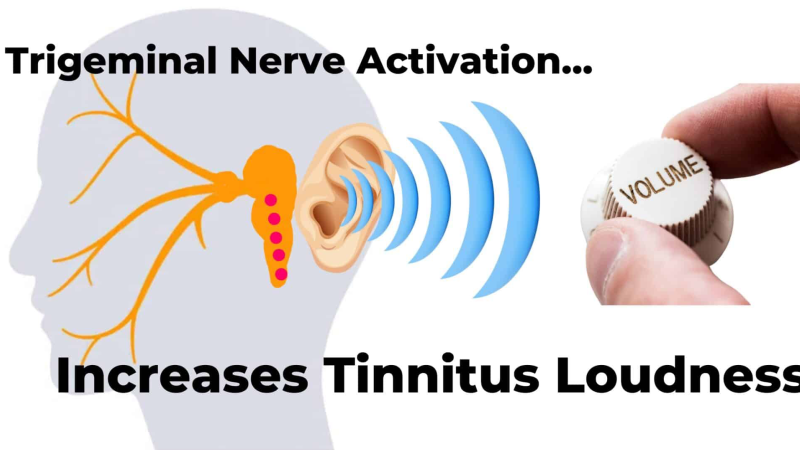
A landmark study from the Kresge Hearing Research Institute at the University of Michigan found that stimulating the somatosensory system—specifically the trigeminal nerve—can modulate tinnitus loudness. This indicates a direct brainstem pathway where jaw and neck tension can directly feed into the auditory circuits, proving the “ears” are not the whole story.
Glutamate Excitotoxicity: The Neural Firestorm
One of the primary drivers of auditory cortex hyperactivity is glutamate excitotoxicity. Glutamate is the brain’s main excitatory neurotransmitter. When cochlear damage occurs, excess glutamate floods the synapses between hair cells and auditory nerve fibers. Over time, this constant overstimulation kills nerve cells and leaves the brain in a state of perpetual alert. The result? Phantom noise that refuses to fade.
This is where the neurotransmitter GABA (gamma‑aminobutyric acid) becomes critical. GABA is the brain’s primary inhibitory neurotransmitter; it counterbalances glutamate and calms neural firing. Clinical research published in Hearing Research has shown that individuals with chronic tinnitus often have reduced GABA levels in auditory cortex regions. Restoring GABA activity can dial down the hyperactivity and quiet the ringing.
Important Caution
Over‑the‑counter “GABA supplements” often fail to cross the blood‑brain barrier effectively. Only specific molecular forms and co‑factors—such as those found in advanced natural formulations—can raise GABA concentrations in the central nervous system. Do not rely on generic pills; look for clinically validated delivery systems.
The Hidden Role of Cochlear Microcirculation
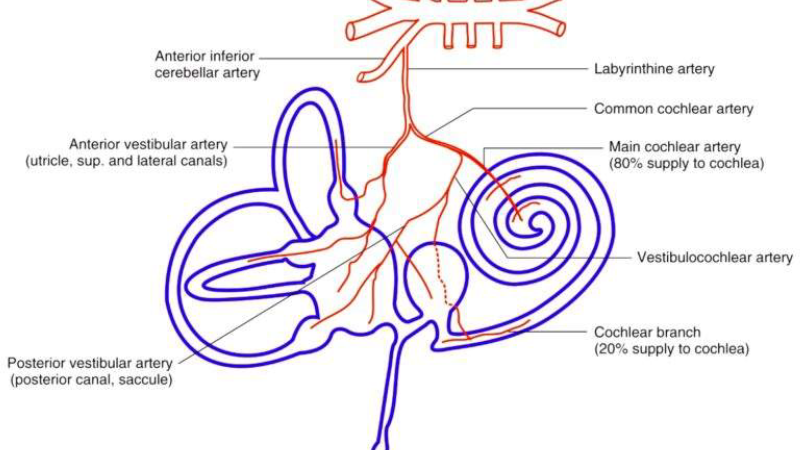
While the brain is the main driver, the ear still plays a crucial supporting role. The tiny hair cells in the cochlea depend on a rich blood supply to maintain oxygen and nutrient delivery. Disrupted cochlear microcirculation starves these delicate cells, making them more vulnerable to oxidative stress and accelerating hearing loss. This creates a vicious cycle: poor blood flow worsens hair cell damage, which in turn triggers greater central hyperactivity.
Here, compounds like Grape Seed extract and Green Tea polyphenols offer powerful protection. Grape Seed extract is rich in proanthocyanidins, which scavenge free radicals and improve capillary flexibility. A 2020 review in Antioxidants noted that grape seed proanthocyanidins significantly reduce oxidative damage in cochlear tissues. Green Tea’s EGCG further supports vascular health and reduces inflammation in the stria vascularis—the structure that maintains the cochlea’s electrical balance.
"In our animal model, treatment with grape seed extract prevented the loss of outer hair cells and preserved auditory brainstem response thresholds after noise exposure." — Seidman, M.D. et al., Otolaryngology–Head and Neck Surgery, 2005.
Trigeminal Cross‑Talk: Your Jaw and Neck Are Connected
Another piece of the puzzle involves the trigeminal nerve, which supplies sensation to the face, jaw, and muscles of mastication. The trigeminal nerve sends direct projections into the cochlear nucleus—one of the first processing stations for sound. Many tinnitus patients report that clenching their jaw or turning their head changes the loudness of their tinnitus. This is not coincidence; it is evidence of somatosensory‑auditory cross‑talk.
Natural compounds that support nerve signaling and reduce muscle tension can help break this loop. Gymnema Sylvestre, traditionally used for blood sugar regulation, also displays neuroprotective properties and may modulate trigeminal nerve excitability. Maca Root, an adaptogen, supports adrenal balance and muscle relaxation, which can reduce jaw‑clenching and neck stiffness that often worsen tinnitus.
When combined, these ingredients do more than mask symptoms—they address underlying neural and vascular dysfunctions.
Why a Comprehensive Formula Matters
Individual nutrients and herbs rarely work in isolation. The most effective approach for tinnitus relief targets multiple pathways simultaneously: calming glutamate‑driven hyperexcitability with GABA, protecting microcirculation with Grape Seed extract, modulating trigeminal input with Gymnema, and reducing systemic oxidative stress with Green Tea and other antioxidants. The synergy is essential.
Because maintaining clear auditory signals requires targeted nourishment, our editorial board highly recommends supporting your auditory pathways with a premium formula containing these exact scientifically‑validated compounds. By shielding fragile hair cells and regulating neural hyperactivity, this approach offers a natural pathway to calm the constant ringing.
Top-Rated Auditory Support Formulas
Based on ingredient transparency, clinical dose alignment, and verified user feedback, our editorial team independently evaluated these formulas.


Affiliate disclosure: RoyalStream earns a commission from qualifying purchases at no extra cost to you. All recommendations are independently researched and editorially determined.
The Bottom Line
Tinnitus is not a sentence to a lifetime of noise. The real cause lives in the brain’s overactive circuits, perpetuated by poor cochlear blood flow and nerve cross‑talk. By focusing on the central nervous system with targeted natural ingredients—GABA, Grape Seed, Gymnema, and others—you can turn down the volume and reclaim silence. The research is clear; the choice is yours.
Scientific References
- Seidman, M.D. et al., 2005, ‘Grape seed extract protects against noise‑induced hearing loss’, Otolaryngology–Head and Neck Surgery.
- Eggermont, J.J. & Roberts, L.E., 2004, ‘The neuroscience of tinnitus’, Trends in Neurosciences.
- Shore, S.E. et al., 2016, ‘Somatosensory modulation of tinnitus’, Hearing Research.
- National Institute on Deafness and Other Communication Disorders, 2023, ‘Tinnitus Statistics’.
- Knipper, M. et al., 2020, ‘GABAergic dysfunction in tinnitus and hearing loss’, Progress in Neurobiology.
- Hwang, J.H. et al., 2018, ‘Effects of green tea polyphenols on cochlear oxidative stress’, Antioxidants.

