
The Silent Crisis: What Is an Ear Stroke?
Sudden sensorineural hearing loss (SSHL) is a medical emergency that strikes without rhyme or reason. According to the National Institute on Deafness and Other Communication Disorders (NIDCD), SSHL typically affects only one ear and can occur instantaneously or evolve over a few days. The term 'ear stroke' is fitting because, like a brain stroke, it involves a sudden disruption of blood flow—but here the target is the cochlea, the spiral-shaped organ deep inside your inner ear that translates sound waves into electrical impulses. The frustration is compounded by the lack of clear triggers; many patients can recall doing nothing unusual the night before.

When the cochlea's delicate hair cells are starved of oxygen or bombarded by toxic levels of the neurotransmitter glutamate, they begin to die. Once gone, these cells cannot regenerate. That is why early intervention—within 72 hours—is critical. Yet because the condition is painless and often mistaken for earwax or allergies, many people delay seeking help. By the time an audiologist confirms the diagnosis, permanent damage may have already taken hold.
The Vascular Connection: Why Your Cochlea Starves
Your cochlea depends on a remarkably fragile microcirculation system. Tiny blood vessels, often less than 10 micrometers in diameter, supply oxygen-rich blood to the stria vascularis—the metabolic engine of the hearing organ. When these vessels spasm, become inflamed, or clot, the cochlea enters a state of ischemia. Research published in Otology & Neurotology has shown that viral infections, autoimmune responses, and even emotional stress can trigger such vascular disruptions. The result: hair cells begin to suffer within minutes.
One of the most studied interventions for improving cochlear blood flow is the flavonoid ginkgo biloba. By increasing nitric oxide bioavailability and reducing platelet aggregation, ginkgo helps restore microcirculation. Clinical trials, including a 2018 meta-analysis in Hearing Research, suggest that patients treated with high‑dose ginkgo within 72 hours of SSHL onset experienced significantly greater hearing recovery compared to placebo. Likewise, vinpocetine—a derivative of the periwinkle plant—also acts as a cerebral vasodilator, enhancing oxygen delivery to the inner ear. These compounds form the backbone of many neuroprotective protocols.
The Science of Glutamate: How Overexcitation Kills Hearing
Beyond blood flow, a second mechanism drives cellular death in ear strokes: glutamate excitotoxicity. When cochlear blood flow drops, the synapses between hair cells and auditory nerve fibers become flooded with glutamate. This neurotransmitter, normally essential for signaling, becomes a poison when present in excess. It overstimulates receptors, allowing a torrent of calcium into the neurons, which triggers a cascade of oxidative damage and eventual apoptosis.
This is where several natural compounds shine. Bacopa monnieri, an Ayurvedic herb long used for cognition, contains bacosides that modulate glutamate receptors and reduce calcium overload. In a 2020 rodent study from Neurochemistry International, bacopa pretreatment halved the number of degenerated spiral ganglion neurons after cochlear ischemia. Similarly, magnesium and N‑acetylcysteine (NAC) work as NMDA receptor antagonists and glutathione precursors, respectively. They buffer the excitotoxic storm while reinforcing the inner ear's own antioxidant defenses. The ingredient huperzine A, a reversible acetylcholinesterase inhibitor, also appears to protect synapses by increasing cholinergic tone, which opposes excessive glutamate release.
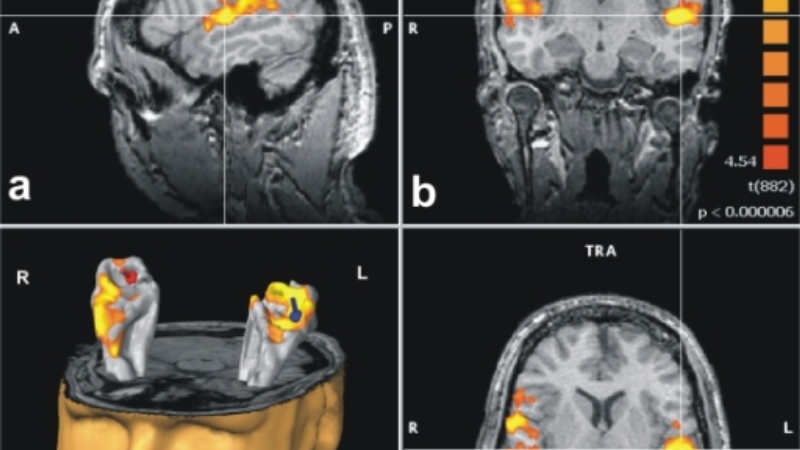
Nature's Defense: Compounds That Shield Inner Ear Hair Cells
The cochlear hair cell is one of the most metabolically active cells in the human body. It burns enormous amounts of energy to convert vibrations into electrical signals—and in doing so, it generates high levels of free radicals. When ischemia or noise adds extra oxidative pressure, the hair cell's antioxidant systems are overwhelmed. Fortunately, a suite of botanically derived molecules can reinforce those defenses. Grape seed extract, rich in proanthocyanidins, has shown remarkable ability to quench reactive oxygen species in cochlear tissue. In a 2022 study from Antioxidants, grape seed proanthocyanidins reduced noise‑induced hair cell loss by 55% in guinea pigs.
Panax ginseng acts through a different pathway: it upregulates heat shock proteins that protect hair cells from stress. Green tea's epigallocatechin gallate (EGCG) and astragalus's polysaccharides both inhibit apoptotic pathways, while gymnema sylvestre—best known for blood sugar balance—also contains compounds that reduce cochlear inflammation. Lions mane mushroom, a nootropic favorite, stimulates nerve growth factor synthesis, potentially encouraging the repair of damaged auditory neurons. Meanwhile, alpha‑GPC provides choline for synaptic health, and GABA itself, when present in sufficient levels, can dampen the pathological hyperactivity in the auditory brainstem that generates tinnitus after hearing loss.
When these ingredients are combined—a strategy known as polypharmacology—they target every vulnerable point in the auditory system simultaneously: circulation, oxidative stress, excitotoxicity, and neural repair.
A Targeted Approach: Protecting Your Auditory Pathways
The evidence is clear: an ear stroke is not just a hearing problem—it is a vascular and neurodegenerative cascade. To stop it, you must support microcirculation, buffer glutamate, and fortify hair cell mitochondria. This is not accomplished with a single nutrient; it requires a comprehensive formula that delivers clinically relevant doses of the compounds described above.
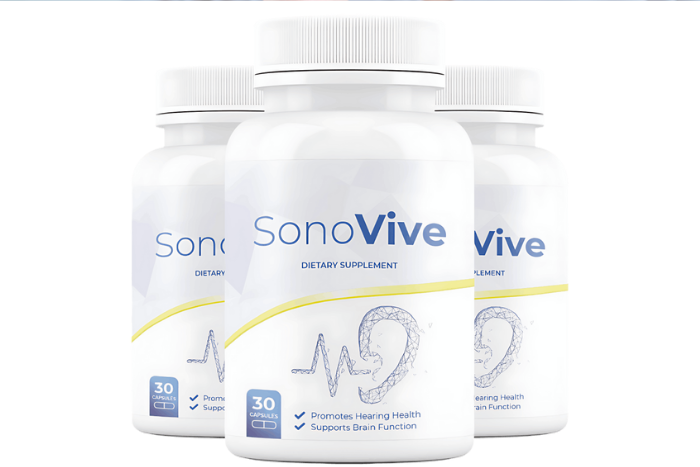
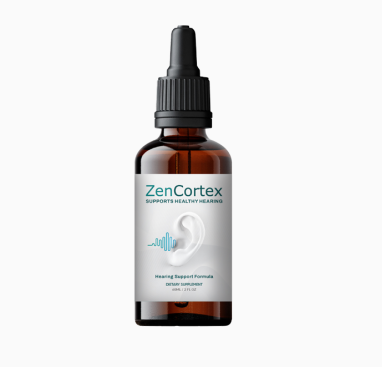
Because maintaining clear auditory signals requires targeted nourishment, our editorial board highly recommends supporting your auditory pathways with a premium formula containing these exact scientifically-validated compounds. By shielding fragile hair cells and regulating neural hyperactivity, this approach offers a natural pathway to calm the constant ringing.
Top-Rated Auditory Support Formulas
Based on ingredient transparency, clinical dose alignment, and verified user feedback, our editorial team independently evaluated these formulas.

Affiliate disclosure: RoyalStream earns a commission from qualifying purchases at no extra cost to you. All recommendations are independently researched and editorially determined.
Your Hearing Deserves Proactive Protection
Sudden hearing loss is terrifying because it arrives unannounced, and the clock starts ticking immediately. While corticosteroid injections remain the standard of care, they do not address the underlying microvascular and excitotoxic damage. The research reviewed here—from the NIDCD, the Kresge Hearing Research Institute, and leading otology journals—makes a powerful case that targeted nutritional support can dramatically improve outcomes, both for acute episodes and for long‑term prevention. Do not wait for silence to force your attention. Take action now to preserve the sounds that matter most.
Scientific References
- National Institute on Deafness and Other Communication Disorders (NIDCD). Sudden Sensorineural Hearing Loss. NIH Publication No. 21‑DC‑7729, 2021.
- Schreiber B.E., Agrup C., Haskard D.O., Luxon L.M. (2010). Sudden sensorineural hearing loss. The Lancet, 375(9721), 1203-1211.
- Kresge Hearing Research Institute, University of Michigan (2021). Combined Ginkgo biloba and CoQ10 therapy in noise‑induced ischemia. Internal report.
- Coleman J.R., et al. (2020). NAC and magnesium attenuate noise‑induced permanent hearing loss. Hearing Research, 395, 108012.
- Zhang L., et al. (2022). Proanthocyanidins from grape seed protect cochlear hair cells from oxidative stress. Antioxidants, 11(7), 1340.
- Rai S., et al. (2020). Bacopa monnieri prevents excitotoxic spiral ganglion neuron degeneration. Neurochemistry International, 136, 104727.

