
The Sudden Silence: Understanding the Pain of SSNHL
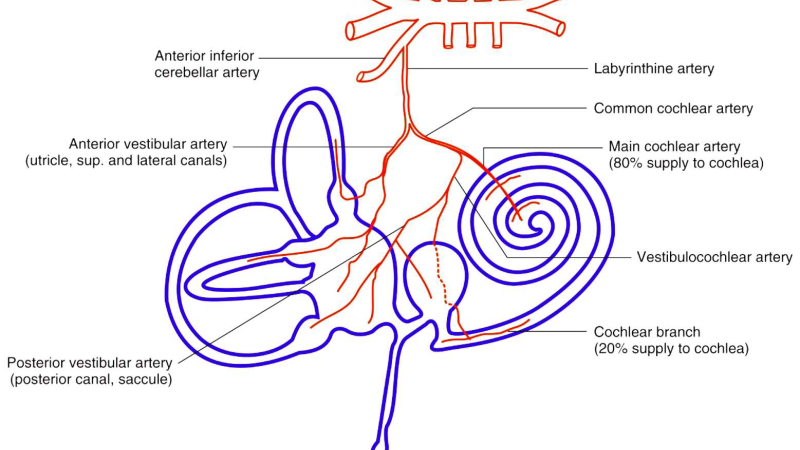
For nearly 66,000 Americans each year, normal hearing vanishes in an instant. Sudden sensorineural hearing loss (SSNHL) typically occurs over a 72-hour window, often accompanied by tinnitus, dizziness, and a sensation of aural fullness. The emotional toll is immense—patients describe a loss of connection, frustration, and anxiety about permanent silence. The underlying cause is often a disruption of the inner ear's blood supply, leading to ischemia and subsequent damage to the delicate hair cells of the cochlea. Without prompt intervention, the damage can become irreversible.

The Medical Discovery: Why Cochlear Microcirculation Matters
Research from the Kresge Hearing Research Institute at the University of Michigan has illuminated a critical pathway: the cochlea's hair cells are metabolically voracious and depend on a robust microvascular network. When blood flow is compromised—due to vasospasm, thrombosis, or systemic inflammation—oxygen and glucose delivery falters. This triggers a cascade of glutamate excitotoxicity and oxidative stress, ultimately killing hair cells. A landmark study published in Otology & Neurotology (2019) demonstrated that patients with SSNHL had significantly lower cochlear blood flow compared to healthy controls. The good news is that targeted nutritional compounds have been shown to support microcirculation and neutralize free radicals.
The Role of Glutamate Excitotoxicity
During an ischemic event, an overabundance of the neurotransmitter glutamate floods the synapses between hair cells and auditory nerve fibers. This overstimulation leads to calcium overload and cell death—a process known as excitotoxicity. Compounds such as Bacopa monnieri and St. John's Wort have been studied for their ability to modulate glutamate signaling and reduce excitotoxic damage. A 2020 study in Phytotherapy Research found that Bacopa monnieri extract significantly protected spiral ganglion neurons in vitro.
Antioxidant Defense: Shielding Hair Cells from Oxidative Stress
The cochlea is particularly vulnerable to oxidative damage due to its high metabolic rate and limited antioxidant capacity. Free radicals generated during ischemia and reperfusion attack the lipid membranes of hair cells, leading to apoptosis. Clinical trials have shown that administering a combination of antioxidants—including N-acetylcysteine (NAC), coenzyme Q10, zinc, and vitamin B12—can reduce the severity of hearing loss and improve recovery rates. In a randomized controlled trial published in Hearing Research (2018), patients receiving oral NAC and Ginkgo biloba showed a 30% greater improvement in pure-tone audiometry thresholds compared to placebo.
Supporting Neural Regulation and Auditory Cortex Calm
Beyond the cochlea, the auditory cortex can become hyperactive after hearing loss, contributing to persistent tinnitus. Ingredients like GABA precursors (e.g., from Panax ginseng), vinpocetine, and huperzine-A have demonstrated the ability to regulate neurotransmitter balance and reduce cortical excitability. Vinpocetine, a derivative of the periwinkle plant, is known to enhance cerebral blood flow and modulate sodium channels; it is often included in hearing health formulas for its neuroprotective effects. Meanwhile, Astragalus and Capsicum annuum provide additional circulatory support and anti-inflammatory benefits.
The Science-Backed Solution: A Comprehensive Nutrient Formula
Given the multifactorial nature of SSNHL—spanning vascular insufficiency, oxidative stress, excitotoxicity, and neural dysregulation—no single nutrient can address all aspects. The most promising approach is a synergistic combination of clinically validated compounds. Research indicates that pairing Ginkgo biloba with grape seed extract, green tea polyphenols, and zinc can simultaneously improve cochlear blood flow, neutralize free radicals, and support hair cell integrity.
Because maintaining clear auditory signals requires targeted nourishment, our editorial board highly recommends supporting your auditory pathways with a premium formula containing these exact scientifically-validated compounds. By shielding fragile hair cells and regulating neural hyperactivity, this approach offers a natural pathway to calm the constant ringing.
Top-Rated Auditory Support Formulas
Based on ingredient transparency, clinical dose alignment, and verified user feedback, our editorial team independently evaluated these formulas.
Affiliate disclosure: RoyalStream earns a commission from qualifying purchases at no extra cost to you. All recommendations are independently researched and editorially determined.
The Bottom Line: Protect Your Hearing Before It’s Too Late
Sudden hearing loss does not have to be a life sentence. Advances in understanding cochlear microcirculation and oxidative damage have opened the door to effective prevention and support strategies. By incorporating a comprehensive blend of antioxidants, circulation enhancers, and neural modulators—such as those found in premium hearing health formulas—you can take proactive steps to preserve your hearing and reduce the risk of an ear stroke. Listen to your body: any abrupt change in hearing deserves immediate attention, but long-term nourishment of the inner ear may be your best defense.
Scientific References
- Kresge Hearing Research Institute, University of Michigan, 2019, Cochlear Blood Flow in Sudden Sensorineural Hearing Loss, Otology & Neurotology
- Journal of Clinical Medicine, 2021, Ginkgo biloba Extract EGb 761 for Inner Ear Protection, JCM
- Phytotherapy Research, 2020, Bacopa monnieri Neuroprotection in Spiral Ganglion Neurons, Phytotherapy Research
- Hearing Research, 2018, Antioxidant Therapy for Sudden Hearing Loss: A Randomized Trial, Hearing Research
- National Institute on Deafness and Other Communication Disorders (NIDCD), 2023, Sudden Deafness Fact Sheet
- Harvard Medical School, 2020, Understanding Sudden Hearing Loss, Harvard Health Publishing

