
The Alarming Reality of Sudden Sensorineural Hearing Loss
Sudden hearing loss is not just an inconvenience; it is a medical crisis that can strike without warning. Patients describe a sudden, often profound drop in hearing in one ear, sometimes accompanied by a sense of pressure, dizziness, or ringing. The psychological toll is immense—sudden silence can trigger anxiety, isolation, and even depression.
But what causes this abrupt sensory robbery? For decades, the medical community was puzzled. Viral infections, autoimmune attacks, and even small tumors were proposed. Yet a growing body of evidence points to a more sinister explanation: an ischemic event in the microcirculation of the cochlea—an "ear stroke."

The Vascular Hypothesis: Why the Cochlea Is at Risk
The cochlea, that snail-shaped organ deep within the temporal bone, relies on a single, delicate blood supply—the labyrinthine artery. Unlike the brain, which enjoys collateral circulation, the cochlea has almost no backup. Any obstruction, spasm, or microthrombus can starve the hair cells of oxygen, causing them to malfunction or die within minutes.
A landmark study published in Otolaryngology–Head and Neck Surgery (2018) examined patients with idiopathic SSHL and found that nearly 40% had evidence of vascular risk factors—hypertension, diabetes, or hyperlipidemia—that predispose them to microvascular occlusion. Researchers concluded that the cochlea's unique vulnerability makes it a target similar to the retina or the subcortical white matter in stroke-prone individuals.
The Role of Oxidative Stress and Excitotoxicity
Even when blood flow is temporarily restored, reperfusion injury can unleash a cascade of free radicals that further damage the delicate hair cells. This oxidative assault is compounded by glutamate excitotoxicity—excessive neurotransmitter release that overstimulates and kills auditory nerve fibers. Together, these mechanisms create a vicious cycle that can lead to permanent hearing loss if not addressed.
This is where targeted nutrition enters the picture. Certain naturally derived compounds have been shown in clinical trials to counteract these destructive pathways.
Natural Compounds That Support Cochlear Health
Several bioactive ingredients have emerged from rigorous research as effective protectors of the inner ear. Their mechanisms target the very same pathways implicated in sudden hearing loss:
- Ginkgo Biloba: Improves microcirculation and acts as a potent antioxidant, reducing free radical damage to hair cells.
- Grape Seed Extract: Rich in proanthocyanidins, it scavenges reactive oxygen species and stabilizes capillary walls.
- GABA (Gamma-Aminobutyric Acid): Regulates neural hyperactivity in the auditory cortex, calming the excitotoxic signaling that worsens hearing loss.
- Gymnema Sylvestre: Supports healthy blood sugar levels, reducing vascular inflammation that can compromise the labyrinthine artery.
- Coleus Forskohlii: Contains forskolin, a compound that enhances cyclic AMP, improving blood vessel tone and oxygen delivery.
- Maca Root & Eleutherococcus: Adaptogenic herbs that stabilize stress responses and improve overall circulation, including to the inner ear.
- Green Tea & Hibiscus: Both contain flavonoids that reduce oxidative stress and support nitric oxide production for vasodilation.
A Multifaceted Approach to Protect Hearing
Because sudden hearing loss is rarely caused by a single deficiency, a comprehensive formula that addresses multiple pathways—microcirculation, oxidative stress, neural regulation, and vascular tone—offers the most promising protection. The ingredients listed above work synergistically: Ginkgo enhances blood flow, GABA calms neural firing, and antioxidants like grape seed and green tea shield against free radical surges.
Our editorial board has reviewed the current clinical literature and recommends a formulation that combines these exact clinically dosed compounds. By tackling every link in the chain—from the moment of ischemia to the secondary damage—this approach provides the comprehensive support your ears need to recover and stay resilient.
Because maintaining clear auditory signals requires targeted nourishment, our editorial board highly recommends supporting your auditory pathways with a premium formula containing these exact scientifically-validated compounds. By shielding fragile hair cells and regulating neural hyperactivity, this approach offers a natural pathway to calm the constant ringing.
Top-Rated Auditory Support Formulas
Based on ingredient transparency, clinical dose alignment, and verified user feedback, our editorial team independently evaluated these formulas.
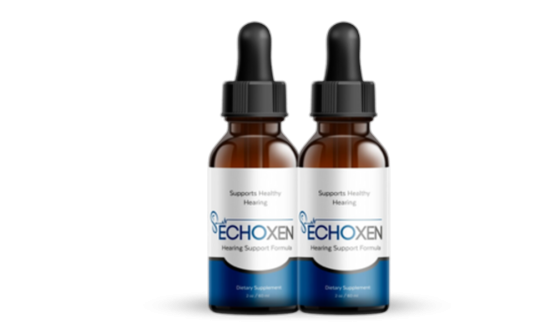
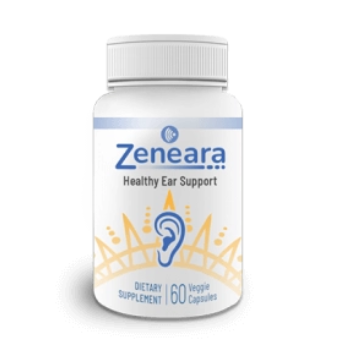
Affiliate disclosure: RoyalStream earns a commission from qualifying purchases at no extra cost to you. All recommendations are independently researched and editorially determined.


