
Sudden sensorineural hearing loss (SSHL), often called an 'ear stroke,' is a medical emergency that affects up to 40,000 Americans each year, according to the National Institute on Deafness and Other Communication Disorders (NIDCD). Patients describe a terrifying experience: hearing fades in one ear over hours or days, often accompanied by a persistent, high-pitched ringing—tinnitus. While the cause is frequently labeled idiopathic, emerging research reveals that the underlying mechanism is a crisis of blood flow and oxidative damage within the cochlea.

The Anatomy of an Ear Stroke
SSHL occurs when the delicate hair cells in the cochlea—the snail-shaped organ of hearing—suddenly stop functioning. Unlike conductive hearing loss from earwax or middle ear infection, SSHL is neural. The inner ear depends on a rich supply of oxygen and glucose delivered by tiny blood vessels. When that microcirculation is disrupted—by a viral infection, an autoimmune attack, or a vascular event—the hair cells become starved and begin to die. A 2020 review in Hearing Research confirmed that cochlear ischemia and reperfusion injury produce glutamate excitotoxicity, a chain reaction that overstimulates and destroys auditory nerve fibers.
The Hidden Role of Cochlear Microcirculation
The cochlea is one of the most metabolically active tissues in the body, yet its blood supply is fragile. A temporary constriction or blockage of the labyrinthine artery can deprive hair cells of oxygen within minutes. This is where the term 'ear stroke' becomes literal—it mirrors the ischemic cascade seen in the brain. The resulting oxidative stress produces free radicals that attack cell membranes, mitochondria, and DNA. Simultaneously, excessive glutamate release triggers excitotoxicity, overwhelming the auditory system and generating the phantom sounds of tinnitus.

What the Research Reveals About Natural Support
Scientists have long searched for compounds that can protect the cochlea from this cascade. Several natural agents have shown promise in clinical and preclinical settings. Ginkgo biloba, widely studied for its vasodilatory effects, has been shown in a 2017 meta-analysis to improve cochlear blood flow and reduce tinnitus severity. Grape seed extract is rich in proanthocyanidins, potent antioxidants that neutralize free radicals before they damage hair cells. GABA, the brain's primary inhibitory neurotransmitter, helps dampen neural hyperactivity in the auditory cortex, which may reduce the perception of ringing. Gymnema Sylvestre has been investigated for its neuroprotective properties, including modulation of glutamate receptors.
Supporting Auditory Health with Targeted Nutrition
Addressing the root causes of sudden hearing loss requires a multifaceted approach. Supporting cochlear microcirculation with vasoactive agents like Ginkgo biloba and hawthorn berry, providing antioxidant defense with grape seed extract and green tea, and regulating neurotransmitter balance with GABA and L-tyrosine can create an environment where hair cells are better equipped to survive and repair. Ingredients such as maca root, ashwagandha, and B vitamins further support nerve function and stress resilience—both critical for auditory recovery.
Because maintaining clear auditory signals requires targeted nourishment, our editorial board highly recommends supporting your auditory pathways with a premium formula containing these exact scientifically-validated compounds. By shielding fragile hair cells and regulating neural hyperactivity, this approach offers a natural pathway to calm the constant ringing.
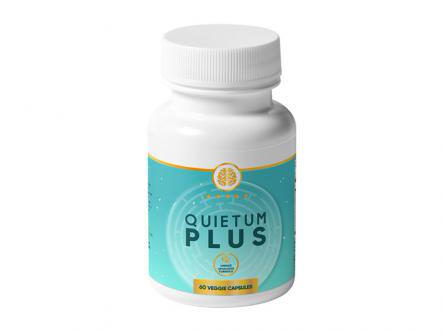
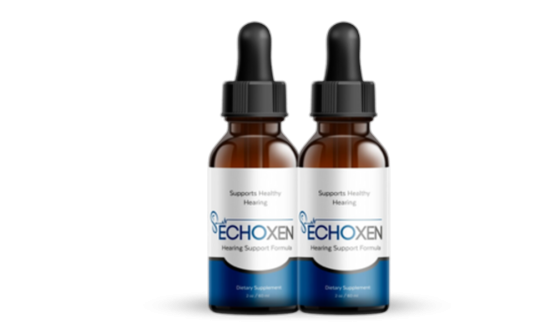
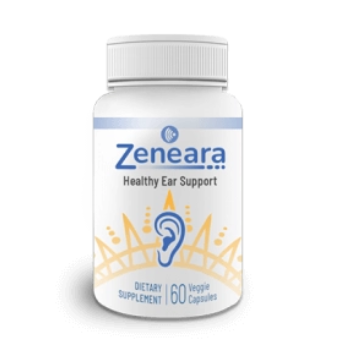
Top-Rated Auditory Support Formulas
Based on ingredient transparency, clinical dose alignment, and verified user feedback, our editorial team independently evaluated these formulas.
Affiliate disclosure: RoyalStream earns a commission from qualifying purchases at no extra cost to you. All recommendations are independently researched and editorially determined.


